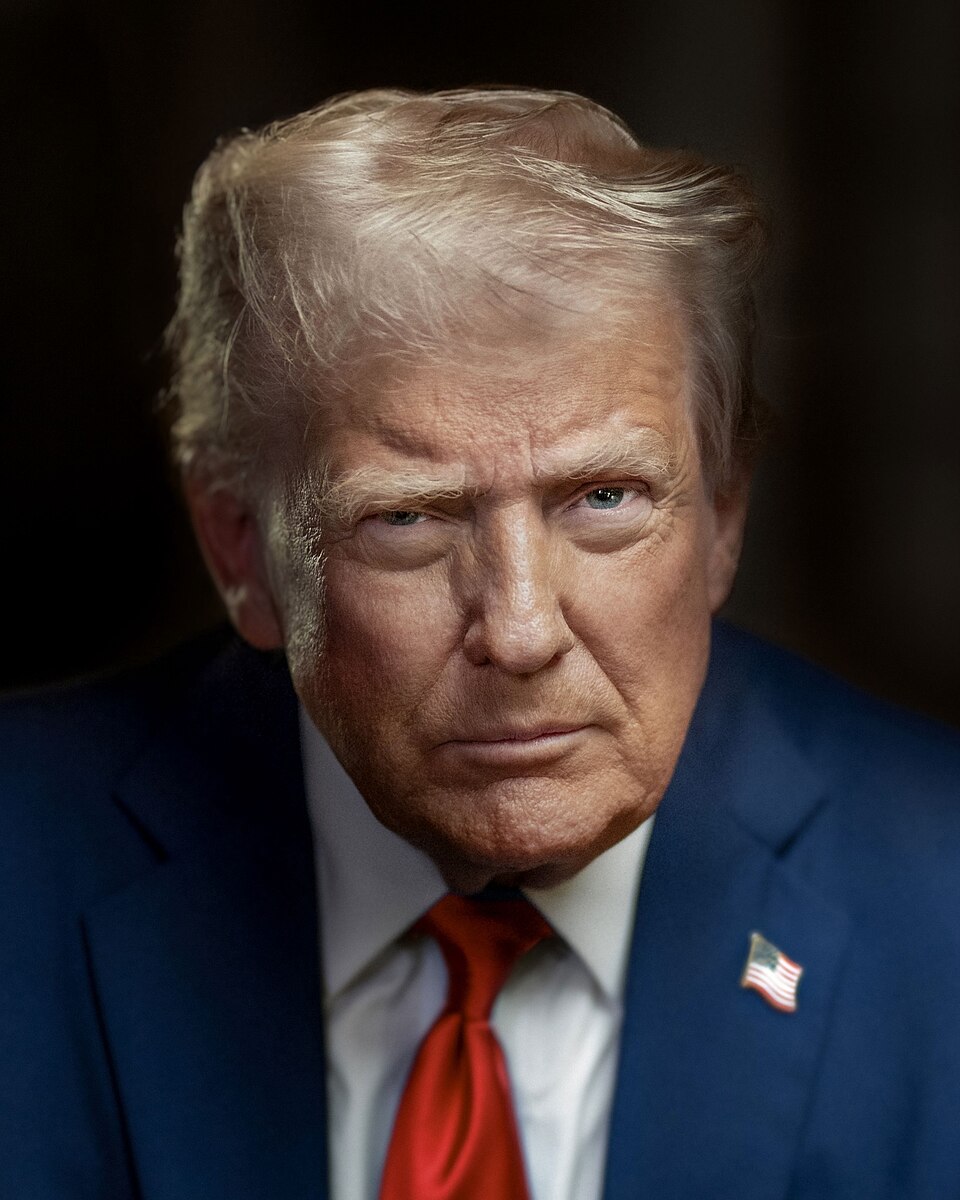
Trump Rejects British Help in Iran War, Citing UK Delays and Perceived Victory
In a striking development that has sent ripples through the long-standing "special relationship" between Washington and London, former US President Donald Trump has emphatically rejected potential military support from the United Kingdom in the ongoing conflict with Iran. Citing delays and the apparent progress of the war, Trump asserted that American forces no longer required British assistance, effectively dismissing the UK's consideration of deploying naval assets to the region. This decision underscores a growing strain in Western alliances and raises significant questions about future geopolitical cooperation. The highly publicized rejection came via a social media post, where Trump signaled that it was "too late" for Britain, once hailed as a "great ally," to extend help. The conflict, triggered by coordinated US-Israeli strikes on Iran, had entered its second week, with hostilities spreading across West Asia and beyond. While British officials stated no final decision had been made on sending naval forces, the Royal Navy’s aircraft carrier HMS Prince of Wales had reportedly been placed on heightened readiness for possible deployment, alongside considerations for a second carrier. Trump's swift and public dismissal highlights not only his distinct approach to international relations but also the evolving dynamics of global power and partnership.A Stinging Rebuke: The "Too Late" Declaration
Donald Trump's pronouncement was unequivocal, delivered with characteristic directness. He noted that the United Kingdom was "finally giving serious thought" to deploying two aircraft carriers to the Middle East, including the HMS Prince of Wales. However, he swiftly rendered the notion unnecessary. “That’s OK, Prime Minister Starmer, we don’t need them any longer — But we will remember. We don’t need people that join Wars after we’ve already won!” Trump wrote. This statement cuts to the core of his reasoning: from his perspective, the conflict had progressed to a point where external aid was superfluous, if not belated. The comments arrived amidst a rapidly escalating situation where US and Israeli forces were reportedly overwhelming the Iranian military. The "won" rhetoric, while perhaps premature or contested by others, reflects an operational assessment that informed Trump's decision to decline the potential offer of British support. For many observers, the timing of the UK's consideration versus the advanced stage of the conflict created a diplomatic quandary. While the British Ministry of Defence was preparing its assets, the perceived hesitation from Washington’s viewpoint became a key factor in the rejection. The practical implications of deploying large-scale naval forces late into an active conflict, involving complex logistics, coordination, and potential risk, further complicated the value proposition of such a late arrival.Strained Ties: The "Special Relationship" Under Scrutiny
Trump's latest comments are not an isolated incident but rather the culmination of simmering tensions that have tested the traditionally robust US-UK "special relationship." A significant point of contention preceding this rejection involved the UK's initial reluctance to allow US forces to use its military bases for operations against Iran. Prime Minister Starmer, facing scrutiny, initially defended this hesitation by emphasizing the need to ensure any military action was legal and thoroughly considered. Although British authorities eventually permitted the use of certain facilities for what they described as "specific and limited defensive purpose[s]," the initial delay seemingly left a lasting impression on the former US President. Indeed, Trump explicitly blamed Prime Minister Starmer earlier in the week for damaging the historically close ties between the two nations. This public criticism, coupled with the rejection of military aid, suggests a significant shift in diplomatic expectations. The "special relationship," forged through shared history, values, and wartime cooperation, typically implies a degree of seamless military and diplomatic alignment. However, recent events highlight a potential divergence in strategic interests or at least a differing approach to foreign policy. The incident could be interpreted as a demand for more proactive and unambiguous commitment from allies, rather than a wait-and-see approach. Such dynamics complicate the intricate dance of alliance management, where symbolic gestures and timely responses often carry as much weight as material contributions.Beyond the Carriers: Strategic Implications and Alliance Dynamics
The rejection of British aircraft carriers extends beyond a mere military decision; it carries profound strategic implications for Western alliance dynamics and the future of collective security. While two Queen Elizabeth-class carriers represent formidable power projection capabilities, their late entry into a perceived "won" conflict could be seen by the US as logistically burdensome rather than militarily decisive. For the UK, which often leverages its naval power to assert its global influence and commitment to allies, this rejection is a blow to its "Global Britain" ambitions. It underscores a challenging reality: military readiness and a willingness to deploy must be coupled with timely strategic alignment with core partners. This episode also fits into a broader pattern of strained alliances. As the conflict escalated, other NATO members demonstrated unease or outright refusal to participate. Spain, for instance, explicitly denied the US access to its military bases for attacks on Iran, stating its firm opposition to the war. Such actions, while reflective of individual national policies, collectively paint a picture of increased fragmentation within traditional Western blocs. The question arises: are these temporary fissures, or do they signal a more fundamental shift towards a multi-polar world where traditional alliances are re-evaluated based on specific geopolitical interests rather than historical solidarity? For allies globally, the incident serves as a stark reminder of the importance of proactive engagement and clear communication. The message from Washington under Trump's leadership appears to be that commitment needs to be demonstrated early and unequivocally, particularly in high-stakes conflicts. These strains on the US-UK alliance highlight a pivotal moment in international relations, where the expectations of mutual support are being rigorously tested.What This Means for Future Anglo-American Cooperation
The public dismissal of British military assistance will undoubtedly have a lasting impact on Anglo-American relations. While the "special relationship" has weathered many storms over the decades, the direct and pointed nature of Trump's criticism and rejection could foster a sense of distrust or hesitancy in future joint ventures. For the UK, this episode may prompt a reassessment of its foreign policy alignment, particularly concerning its role in potential US-led military actions. It might encourage London to diversify its alliances and strengthen its independent defense capabilities. For global leaders and strategists, several key takeaways emerge:- Proactive Engagement: Alliances thrive on foresight and timely commitment. Waiting until a conflict is well underway to offer significant aid can be perceived as lacking genuine resolve.
- Clear Communication: Misunderstandings regarding military readiness, base access, and strategic objectives can quickly erode trust. Transparent dialogue between allies is paramount.
- Defined Roles: In rapidly evolving geopolitical landscapes, allies need to clarify their respective roles and contributions early to ensure effective and coordinated responses.
- Resilience of Alliances: While historical bonds are strong, they are not immutable. Consistent effort is required from all parties to maintain their relevance and effectiveness in a changing world.
In conclusion, Donald Trump's rejection of potential British military aid in the Iran conflict, driven by perceived delays and a declaration of impending victory, has profoundly impacted the US-UK "special relationship." This decision, coupled with earlier tensions over base access and broader alliance strains, underscores a period of significant re-evaluation within Western partnerships. As the dust settles on this diplomatic skirmish, the long-term implications for Anglo-American cooperation, NATO, and the future of collective security will undoubtedly remain a focal point for international analysis.