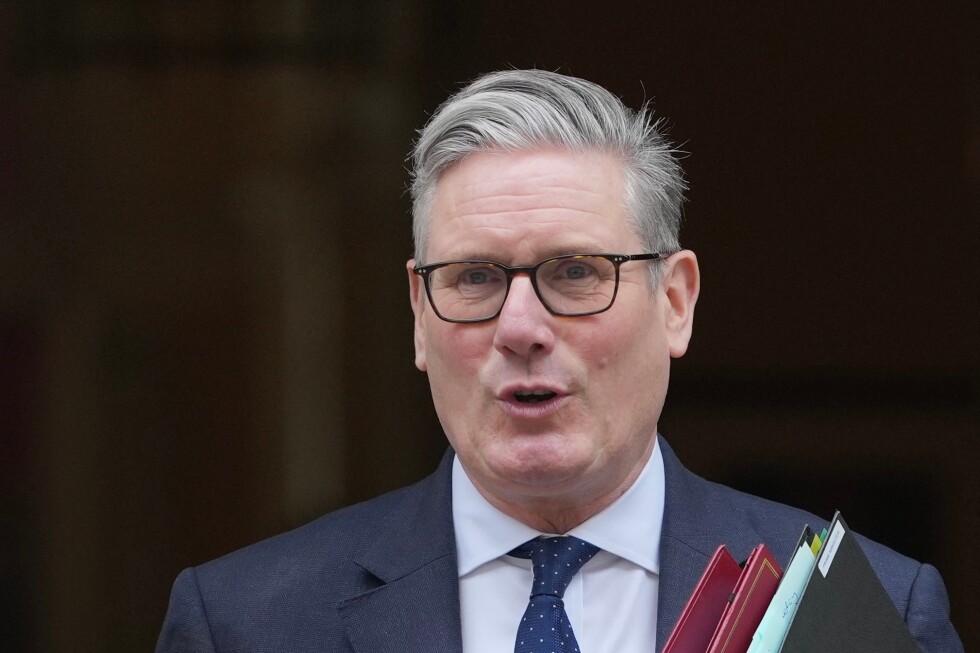
US-UK Alliance Strains: Trump Dismisses British Carrier Aid
The enduring "Special Relationship" between the United States and the United Kingdom, often hailed as a cornerstone of Western security, is facing unprecedented strain. Recent comments from former U.S. President Donald Trump have brought these tensions into sharp relief, as he publicly dismissed an offer of military assistance from the UK in the ongoing conflict with Iran. This direct rejection of `trump british help` not only underscores shifting geopolitical dynamics but also highlights the complexities and potential fragility of long-standing international alliances in an era of rapid global change and assertive leadership.
Trump's unvarnished remarks, delivered via social media, signaled a clear message: Washington, in his view, no longer required military support from its historical ally, declaring the offer too late for a conflict he considered all but won. This incident has sparked a diplomatic ripple effect, forcing a re-evaluation of how such critical partnerships function, particularly when confronted with unilateral declarations and perceived slights.
The Unilateral Stance: Trump's Dismissal of British Aid
In a move that reverberated through diplomatic circles, Donald Trump took to Truth Social on March 7th to articulate the United States' position on British military assistance regarding Iran. His message was unequivocal: the U.S. did not need British help. Specifically addressing the UK's contemplation of deploying two aircraft carriers, including HMS Prince of Wales which had been placed on heightened readiness, Trump stated, "That’s OK, Prime Minister Starmer, we don’t need them any longer — But we will remember. We don’t need people that join Wars after we’ve already won!"
This statement came as the war, ignited by coordinated US-Israeli strikes on Iran on February 28, entered its second week, with hostilities spreading across West Asia. Despite British officials confirming that no final decision had been made regarding naval deployment, Trump's swift and public dismissal was a powerful declaration. He characterized the UK, "our once Great Ally, maybe the Greatest of them all," as belated in its consideration to provide `trump british help`. This rhetoric suggested that America, alongside Israeli forces, was already overwhelming the Iranian military, rendering any additional support superfluous in his assessment.
The diplomatic fallout from such a public rejection is significant. Allies often rely on pre-agreed frameworks for military cooperation, and a direct, unprompted dismissal via social media can be seen as undermining established protocols and trust. It raises questions about the value of an ally's potential contribution and the respect accorded to their decision-making processes, even if those decisions are still pending. This incident serves as a stark reminder of the personalized nature of diplomacy under certain leaders and the potential for public pronouncements to override traditional diplomatic channels, casting a shadow over future `trump british help` prospects.
A Special Relationship Under Stress: Pre-existing Tensions
The recent snub regarding `trump british help` did not occur in a vacuum; it follows a period of discernible strain on the US-UK "Special Relationship." Historically, this alliance has been defined by shared values, intelligence cooperation, and a readiness to stand shoulder-to-shoulder in global conflicts. However, fissures have become increasingly apparent. A crucial precursor to this current tension was an earlier dispute concerning the use of British military bases by US forces for operations against Iran.
Initially, the UK hesitated to grant the U.S. unfettered access to its facilities. Prime Minister Keir Starmer defended this cautious approach, emphasizing the need to ensure any military action was legal and thoroughly thought out. While British authorities eventually permitted the use of certain facilities for what they described as "specific and limited defensive purpose" strikes against Iranian missile depots or launchers, the initial delay evidently left a lasting impression on Trump. He openly blamed Starmer for "ruining America and the UK’s historically close relationship," linking the base access issue directly to the subsequent rejection of `trump british help`. Readers can explore this angle further in
PM Starmer Blamed as Trump Snubs UK's Iran War Offer.
Such public accusations and the perceived reluctance from London chipped away at the mutual confidence that typically underpins such a profound alliance. For an alliance to function effectively, trust and a shared strategic outlook are paramount. When one party perceives another's actions as hesitant or obstructionist, even if for legitimate reasons, it can foster resentment and a sense of isolation. This cumulative effect of perceived delays and a lack of immediate alignment ultimately contributed to the harsh rhetoric surrounding the UK's offer of naval support, making the rejection of `trump british help` a symptom of deeper underlying issues rather than an isolated incident.
The Broader Geopolitical Chessboard: Iran Conflict and Alliance Fractures
The unfolding conflict in Iran, initiated by US-Israeli strikes and now entering its second week with engagements spreading across West Asia, serves as a critical backdrop to these alliance strains. The regional instability has become a litmus test for the cohesion of Western partnerships, revealing how differing national interests and strategic perspectives can lead to significant disagreements, even among long-standing allies.
The rejection of `trump british help` is not an isolated incident of alliance friction within this broader conflict. The escalating war has notably strained relations with other NATO members. Spain, for instance, took a resolute stance, outrightly denying the US access to its military bases for attacks on Iran, affirming its position firmly against war. This decision, much like the initial UK hesitation, underscores a growing divergence in how Western nations perceive and choose to engage with military interventions in complex geopolitical hotspots.
These fractures in the Western front carry significant implications for future coalition-building and diplomatic leverage. When key allies are perceived to be out of step, or when military assistance from one is publicly rebuffed by another, it can empower adversaries and complicate efforts to present a united stance on the international stage. The message sent by these events is that traditional alliances are no longer a guarantee of automatic military convergence, forcing nations to re-evaluate their strategic dependencies and diplomatic approaches. The challenge now lies in how Western powers navigate these internal disagreements while still striving to present a formidable front against regional instability. For more details on the context of the rejection, see
Trump Rejects British Help in Iran War, Citing UK Delays.
Beyond the Headlines: Analyzing the Strategic and Diplomatic Ramifications
The public dismissal of `trump british help` transcends mere political theater; it carries profound strategic and diplomatic ramifications for both nations and the broader international system.
From a strategic perspective, Trump's assertion that the U.S. didn't "need" the carriers suggests either immense confidence in American military capabilities to unilaterally manage the conflict or a strategic preference for unencumbered action. While the U.S. undeniably possesses formidable power projection, the symbolic and practical value of an ally's contribution, particularly carriers capable of significant air and maritime operations, is usually welcomed. Dismissing such an offer can be seen as undercutting the principle of burden-sharing and risks alienating partners who might be crucial in future, more complex scenarios. It implicitly questions the capabilities and relevance of an ally's military might, which can be detrimental to long-term defense planning and interoperability.
Diplomatically, the public nature of the rejection and the specific mention of Prime Minister Starmer raise significant questions about the future of the "Special Relationship." For the UK, it creates an awkward position, potentially eroding its perceived standing as a crucial American ally and signaling a lack of genuine necessity for its military contributions. Other allies observing this interaction might infer that their own offers of support could face similar treatment, potentially leading to a reluctance to volunteer aid in future crises. This incident highlights the need for robust diplomatic channels and clear communication strategies to manage expectations and avoid public embarrassment, even when assistance is not required.
Tips for Navigating Evolving Alliances:
- Clear Communication: Allies must maintain transparent and consistent dialogue, especially during crises, to ensure mutual understanding of objectives and capabilities.
- Respectful Engagement: Even when declining aid, diplomatic courtesies should prevail to preserve long-term relationships and avoid public shaming.
- Strategic Alignment: Nations should regularly review and align their strategic interests and threat perceptions to ensure their alliances remain relevant and effective.
- Value Beyond Direct Combat: Recognize that an ally's contribution extends beyond frontline combat, encompassing intelligence sharing, logistical support, and diplomatic leverage.
- Adaptability: In a rapidly changing geopolitical landscape, alliances must be flexible and adaptable, allowing for different levels of engagement based on specific circumstances and national interests.
Ultimately, the `trump british help` incident serves as a crucial data point in the ongoing evolution of international relations, demonstrating how the confluence of assertive leadership, complex conflicts, and shifting national priorities can redefine the terms of engagement among even the closest partners.
Conclusion
The blunt dismissal of `trump british help` in the Iran conflict marks a significant moment in the trajectory of the US-UK "Special Relationship." Fueled by pre-existing tensions over military base access and conveyed through unusually direct social media channels, this episode underscores a broader trend of strained alliances in an increasingly fragmented global landscape. While former President Trump's rhetoric emphasized American self-sufficiency and a "too late" assessment of the UK's offer, the strategic and diplomatic reverberations are far-reaching. This event prompts a vital re-evaluation of how traditional partnerships endure in an era of rapid geopolitical shifts, demanding renewed commitment to open communication, mutual respect, and a clear understanding of shared strategic goals to ensure that vital alliances can withstand the pressures of modern international crises.